
At a busy outdoor expo, visitors may pass dozens of booths before deciding where to stop. Every exhibitor wants attention, but competing banners, displays, and promotional materials can make individual brands difficult to notice.
A well-designed sign helps visitors recognize a business from a distance.
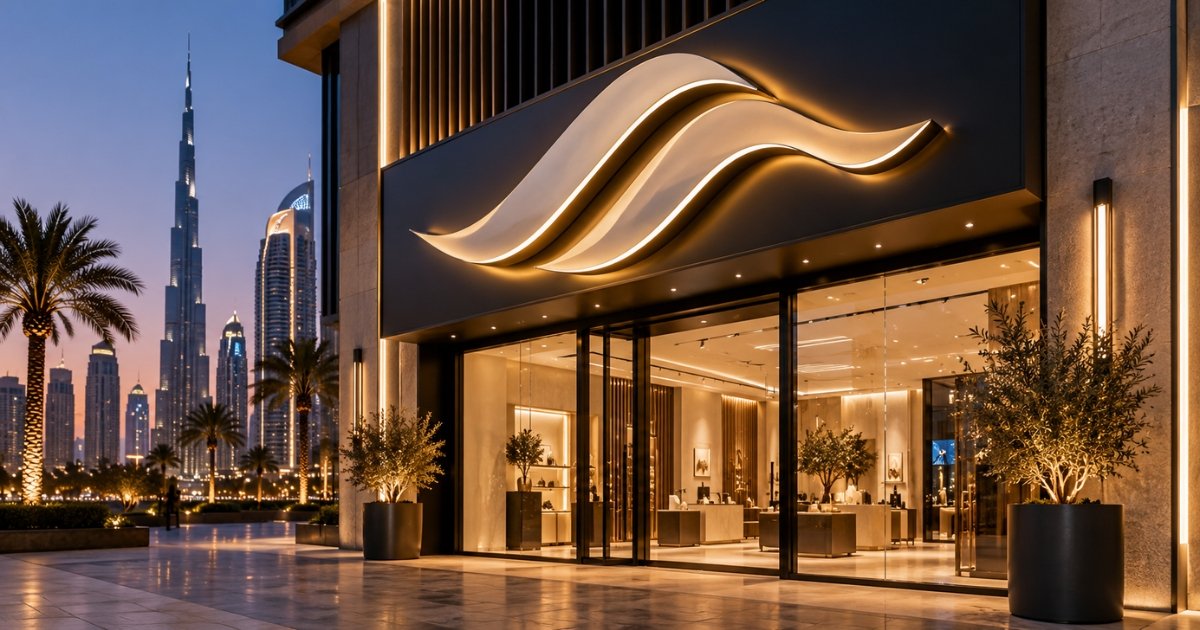
LED 3D sign boards (لوحات LED ثلاثية الأبعاد) combine raised lettering with illumination to create a distinctive visual display. Unlike flat printed banners, these signs add depth to a brand name or logo. Lighting makes the design visible after sunset, provided the venue allows continued operation.
For businesses attending outdoor exhibitions, the challenge is choosing signage that looks professional and performs reliably.
Before ordering, exhibitors should consider lighting, weather protection, mounting, power requirements, and transportation.
How LED 3D Sign Boards Improve Visibility
Three-dimensional lettering creates depth that flat signs cannot reproduce in the same way.
Raised letters cast shadows, giving the design a defined appearance even when the lighting is switched off. The effect changes with the viewing angle and surrounding light.
LED illumination adds another dimension, helping lettering remain recognizable in low-light conditions.
Businesses comparing different signage styles can explore the difference between illuminated and non-illuminated 3D sign boards to understand which option best suits their visibility needs and operating hours.
Two popular lighting styles offer different results.
Front-Lit 3D Letters
Front-lit letters illuminate through their faces, making the business name or logo stand out directly.
This approach works well when clear brand recognition matters, particularly at exhibitions where visitors need to identify booths quickly.
The brightness and letter size should suit the expected viewing distance.
Halo-Lit 3D Letters
Halo-lit letters direct light toward the surface behind them, creating a glow around their outlines.
This produces a softer appearance that can complement minimalist logos and premium brand displays.
However, halo lighting depends on the backing surface. A sign installed against an unsuitable background may not produce the intended effect.
For either style, exhibitors should request a visual mockup before production.
Choosing Materials for Outdoor Conditions
Outdoor signage faces challenges that indoor displays rarely encounter.
Rain, dust, temperature changes, direct sunlight, and wind can affect the sign’s appearance and performance.
The materials and electrical components must suit the intended location.
Weather-Resistant Construction
Common materials for illuminated 3D lettering include aluminum, stainless steel, and suitable acrylic components.
Aluminum offers a lightweight option for many sign structures, while stainless steel can provide additional durability in certain applications.
Acrylic faces allow light to pass through and can support different colors and finishes.
Ask suppliers whether the selected materials and finishes are suitable for outdoor UV exposure and the expected weather conditions.
Understanding IP Ratings
An IP rating describes the level of protection an electrical enclosure provides against solid particles and water.
For example, an IP65-rated enclosure provides dust-tight protection and resistance to water jets under specified test conditions.
However, IP65 does not guarantee that an entire sign installation can withstand every type of outdoor weather.
Connections, power supplies, mounting components, and installation details also matter.
Wind resistance requires separate consideration because an electrical enclosure’s IP rating does not indicate structural strength.
Before purchasing, confirm the environmental ratings of the complete signage system.
Lighting That Works During the Day and After Dark
LED illumination can help a business remain visible during evening exhibitions, but daytime performance requires more than simply choosing a bright light.
Direct sunlight may reduce the contrast between illuminated letters and their surroundings.
During the day, letter size, color contrast, depth, and placement often have a greater influence on readability.
A dark logo against a light background, for example, may remain easy to recognize without relying entirely on illumination.
After sunset, the LEDs become more noticeable and can improve the visibility of the brand.
Can LED Signs Operate 24/7?
Some LED signage systems are designed for extended or continuous operation.
However, not every LED 3D sign board is rated for 24/7 use.
Exhibitors should confirm the manufacturer’s recommended operating hours, ventilation requirements, power supply specifications, and maintenance instructions.
Venue rules may also restrict when illuminated displays can remain switched on.
If continuous operation is important, request written confirmation that the proposed signage system supports it.
This is particularly relevant for multi-day outdoor exhibitions or installations that remain in place after the event closes.
Planning Power Requirements and Energy Use
LED signage is often more energy-efficient than comparable traditional neon systems. However, electricity consumption varies with sign size, brightness, LED configuration, and operating hours.
Before booking an exhibition space, ask the supplier for the sign’s total wattage and voltage requirements.
Confirm whether the display needs a dedicated power connection or can operate from the venue’s available electrical supply.
For temporary locations without convenient access to electricity, a suitable generator or portable power system may be an option.
The selected power source must safely support the sign’s requirements and comply with venue rules.
Avoid choosing electrical equipment based only on the appearance or dimensions of the display.
A qualified installer can help identify the appropriate connections, protection, and cable arrangements.
Portable LED 3D Signs for Trade Shows
Outdoor exhibitions often involve repeated transportation, assembly, and dismantling.
A sign that works well on a permanent storefront may not suit a temporary booth.
For businesses attending several events each year, modular construction can make transportation and storage easier.
Some signage systems allow individual letters or sections to be packed separately, reducing the space needed during transit.
However, portability depends on the design.
Large metal letters, heavy backing panels, and complex mounting systems may require professional handling and installation.
Before ordering, ask whether the sign can be reused at different venues.
Check the packed dimensions, weight, assembly instructions, and storage requirements.
Reusable components may offer better long-term value than signage designed for a single event.
Safe Mounting and Installation at Outdoor Expos
A visually impressive sign still needs a secure installation.
Outdoor structures may experience wind loads, accidental contact, and movement during event operations.
The mounting method must suit the sign’s dimensions, weight, and supporting structure.
Freestanding signs, overhead lettering, and wall-mounted displays can require different hardware.
Temporary exhibition walls may also have limits on how much weight they can support.
Ask the venue whether additional approval, structural documentation, or professional installation is required.
Never assume that a display suitable for indoor use can be installed outdoors without modification.
For larger signs, confirm who is responsible for assembly, electrical connections, inspection, and dismantling.
Clear responsibilities help avoid delays on setup day.
How to Choose the Right LED 3D Sign, Supplier
An attractive design is only one part of a successful signage project.
Before approving production, ask your supplier these questions:
- Outdoor suitability: Are the materials and electrical components rated for the intended conditions?
- Lighting: Will front-lit or halo-lit lettering provide better visibility at the venue?
- Power: What voltage, wattage, and electrical connections does the display require?
- Mounting: What hardware and supporting structure are necessary?
- Portability: Can the sign be safely dismantled and reused?
- Maintenance: How can damaged LED modules or power components be replaced?
- Production: What information is needed to prepare an accurate design and quotation?
Share the booth dimensions, brand artwork, expected viewing distance, and installation location before requesting a final quote.
A vector logo file can help the supplier reproduce lettering and shapes accurately.
Where possible, request a design proof showing the proposed size, colors, and lighting effect.
Frequently Asked Questions About LED 3D Sign Boards
1. Are LED 3D sign boards suitable for outdoor exhibitions?
Yes, when the signage system is designed and installed for outdoor use. Confirm the materials, electrical protection, mounting requirements, and environmental ratings before installation.
2. What power supply do LED 3D signs need?
Power requirements depend on the sign’s size, lighting design, and electrical components. Ask the supplier for the total wattage, operating voltage, and approved power connection.
3. Are illuminated 3D signs visible in direct sunlight?
They can be, but visibility depends on brightness, contrast, letter dimensions, viewing distance, and placement. A bright LED alone does not guarantee readability in direct sunlight.
4. Can LED 3D sign boards include a custom logo?
Yes. Many suppliers offer custom lettering, logo shapes, colors, and lighting styles. The available options depend on the materials and manufacturing process.
5. How long does installation take?
Installation time varies according to sign size, mounting complexity, electrical work, and venue access. Request an estimated schedule before the event and allow time for testing.
6. Are LED 3D signs reusable?
Some systems are designed for repeated use, particularly modular displays. Confirm that the sign can be transported, stored, assembled, and dismantled without damaging its components.
Make Your Outdoor Expo Signage Work Harder
An effective exhibition sign should help people identify your brand while fitting the practical needs of the event.
LED 3D sign boards offer creative options through illuminated lettering, depth, and customized designs. However, their performance depends on choosing appropriate materials, power systems, and installation methods.
Before placing an order, review the venue requirements and discuss how the display will operate in real outdoor conditions.
Contact Expo Outdoors to discuss suitable signboard options, custom designs, and installation requirements for your next exhibition.
